
Across trend reports, industry analysis, and consumer behavior studies, one theme keeps resurfacing: in-person experiences are making a comeback. Like any fashion trend, consumer preferences tend to come full circle. What once felt outdated suddenly becomes essential again. The same is happening in research and customer experience. In 2026, roughly three-quarters of consumers expect personalized experiences, and according to Forrester’s 2026 trends report, brands are once again betting big on in-person engagement. This isn’t a rejection of digital or AI-powered experiences, it’s a response to what they often lack.
There’s no question that AI has transformed the consumer landscape. It has made interactions faster, more scalable, and more accessible than ever before. But convenience alone isn’t enough. For many consumers, the rise of automation has also introduced a sense of distance. Chatbots and synthetic interactions, while efficient, can feel impersonal. Over time, that efficiency has come at the cost of authenticity.
Consumers aren’t craving less technology. They’re craving more humanity. They don’t want to feel deflected, dismissed, or routed endlessly through automated systems. They want to feel heard, understood, and valued. And increasingly, they associate those feelings with real, human interaction.
Why This Shift Matters Now
This renewed appetite for in-person experiences isn’t happening in a vacuum. We are firmly in the digital age, where nearly every touchpoint in the customer journey has been digitized. Consumers still expect seamless online experiences, intuitive platforms, and thoughtful use of AI. What they don’t want is to lose the authenticity that comes from human connection.
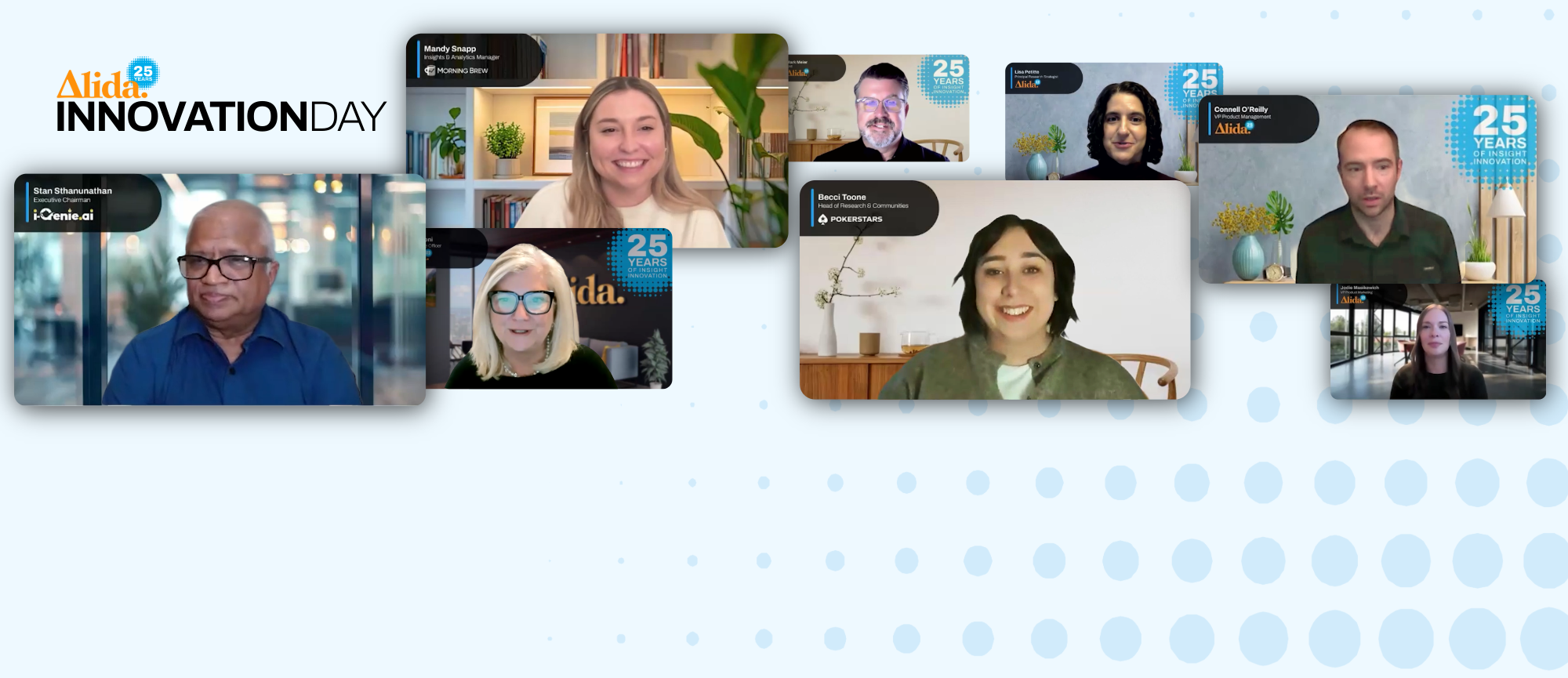
We’re even seeing this play out in the ways in which people are choosing to do business, with a clear resurgence of in-person interactions and a notable increase in events. Recently, Alida attended, and hosted a panel at CES 2026 in Las Vegas, where the energy in the room was unmistakable. The event sparked meaningful brainstorming, idea-sharing, and candid conversations.
While much of the discussion focused on how we must evolve alongside and embrace AI, there was strong consensus on real customers being at the core of any strategy. As we embrace the new efficiencies AI brings, people are also calling for a return to more authentic, human experiences.
And the same tension exists in research. As an industry, we’ve moved quickly to adopt AI-driven tools, from synthetic data to automated analysis. These innovations have opened doors to speed, scale, and efficiency. But they’ve also surfaced a hard truth: great research cannot exist without real people at the center. AI can enhance research. It cannot replace the depth that comes from listening to real customers, in real contexts, over time.
The Research Lesson for 2026
The defining research challenge of 2026 isn’t choosing between AI and human-led methods. It’s finding the right balance. The strongest strategies will combine digital efficiency and automation, continuous, always-on insight from real customers, and opportunities for genuine human connection by leveraging more qualitative research.
Methods like customer communities, longitudinal feedback programs, and live qualitative engagement allow researchers to go deeper, to understand not just what customers say in a moment, but how their needs, behaviors, and expectations evolve. Because meaningful insights don’t come from one-off surveys or synthetic stand-ins alone. It comes from ongoing relationships with real customers. In 2026, the future of research isn’t purely digital or purely in-person. It’s human-centered, tech-enabled and grounded in connection.